Single-dose card packaging · Manufactured in Türkiye

Single-dose packaging
that opens
with one hand.

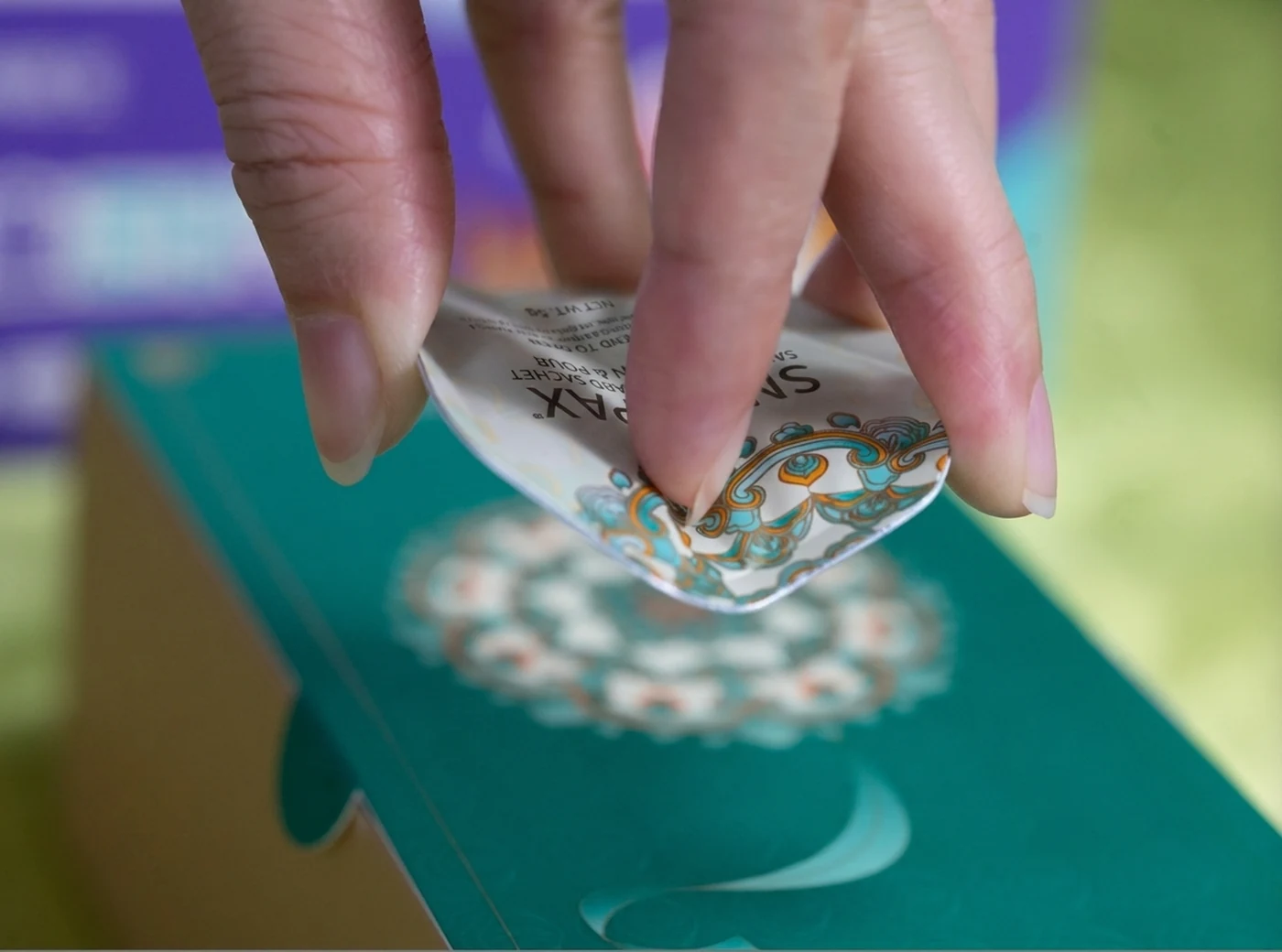
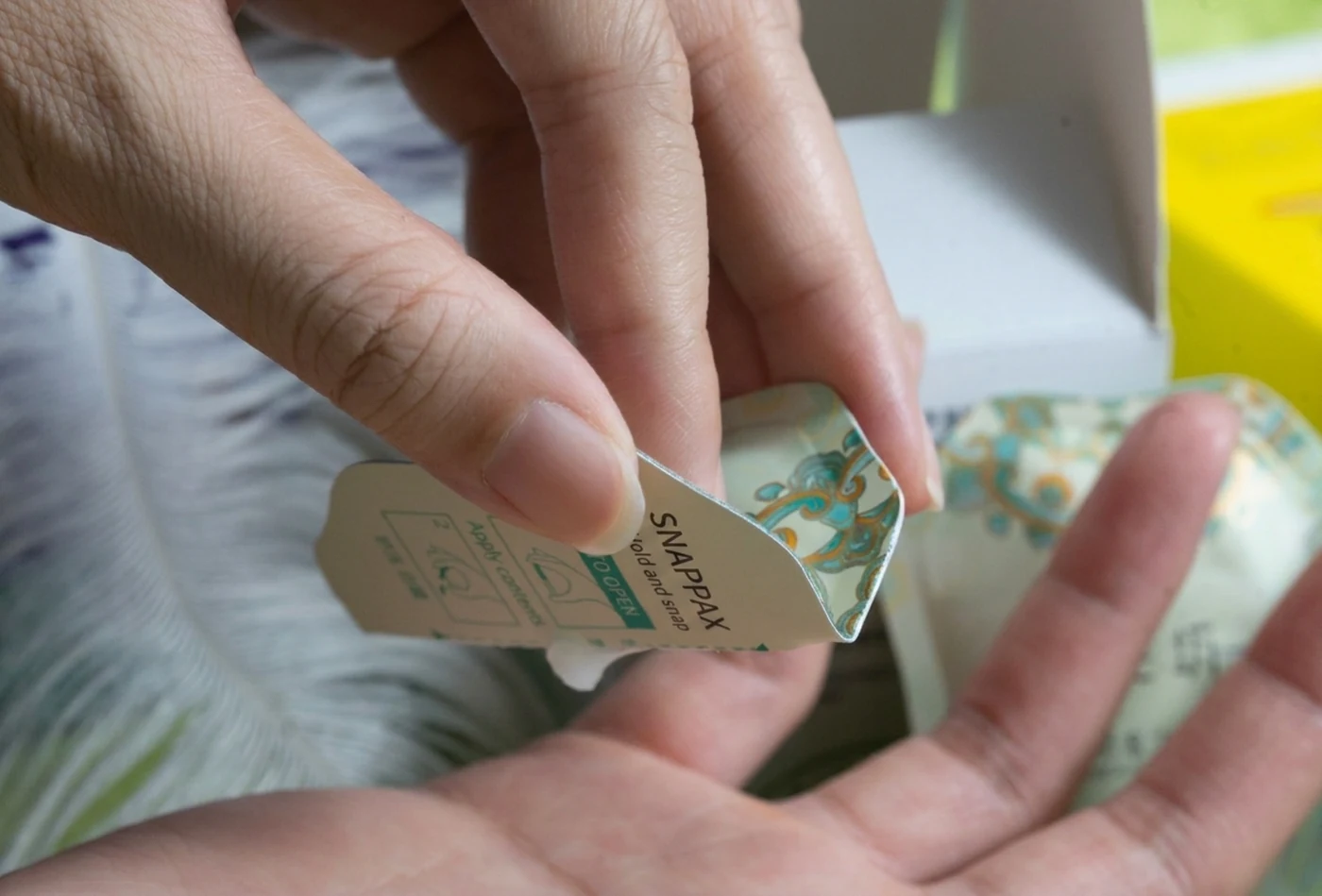
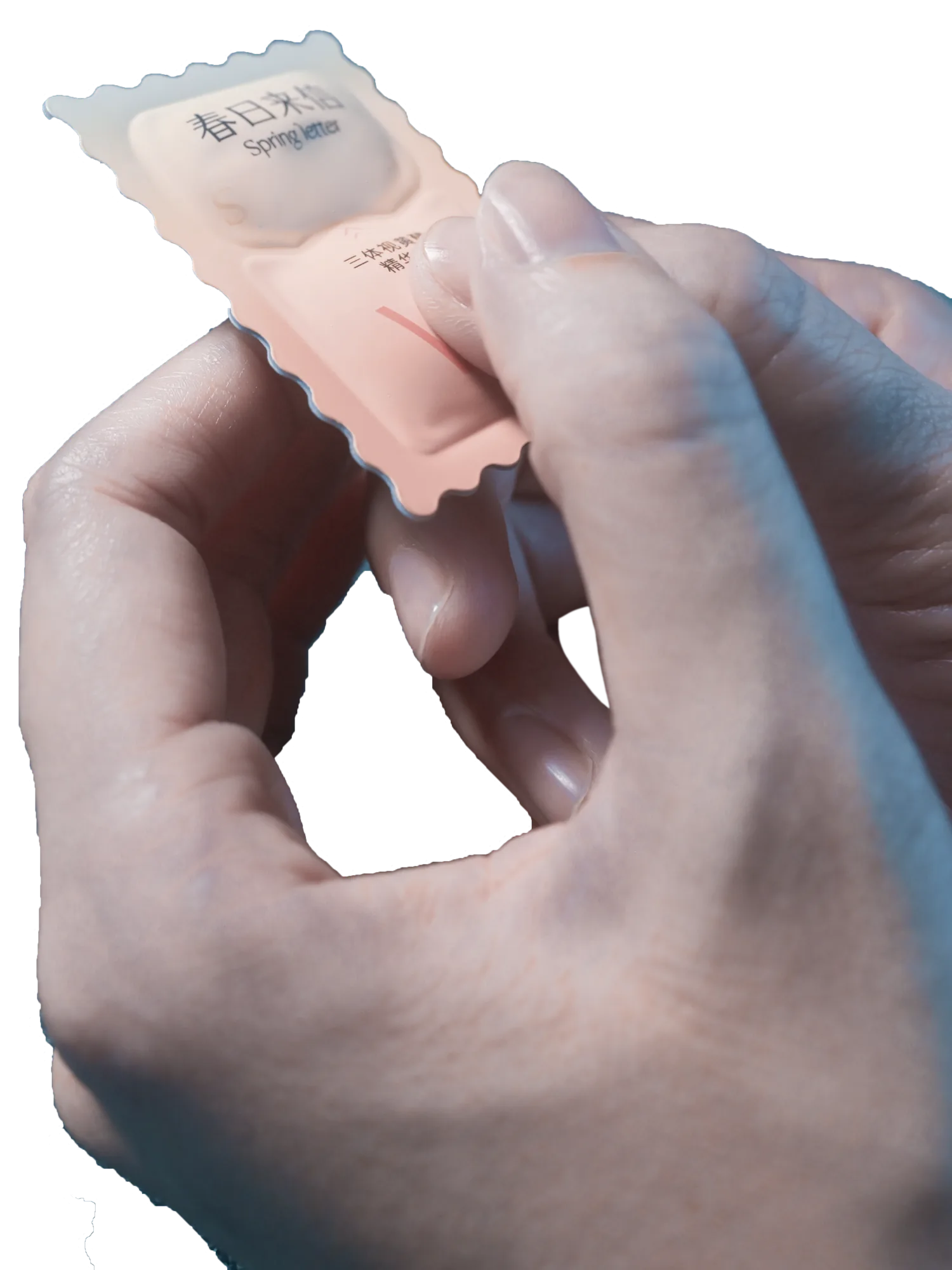
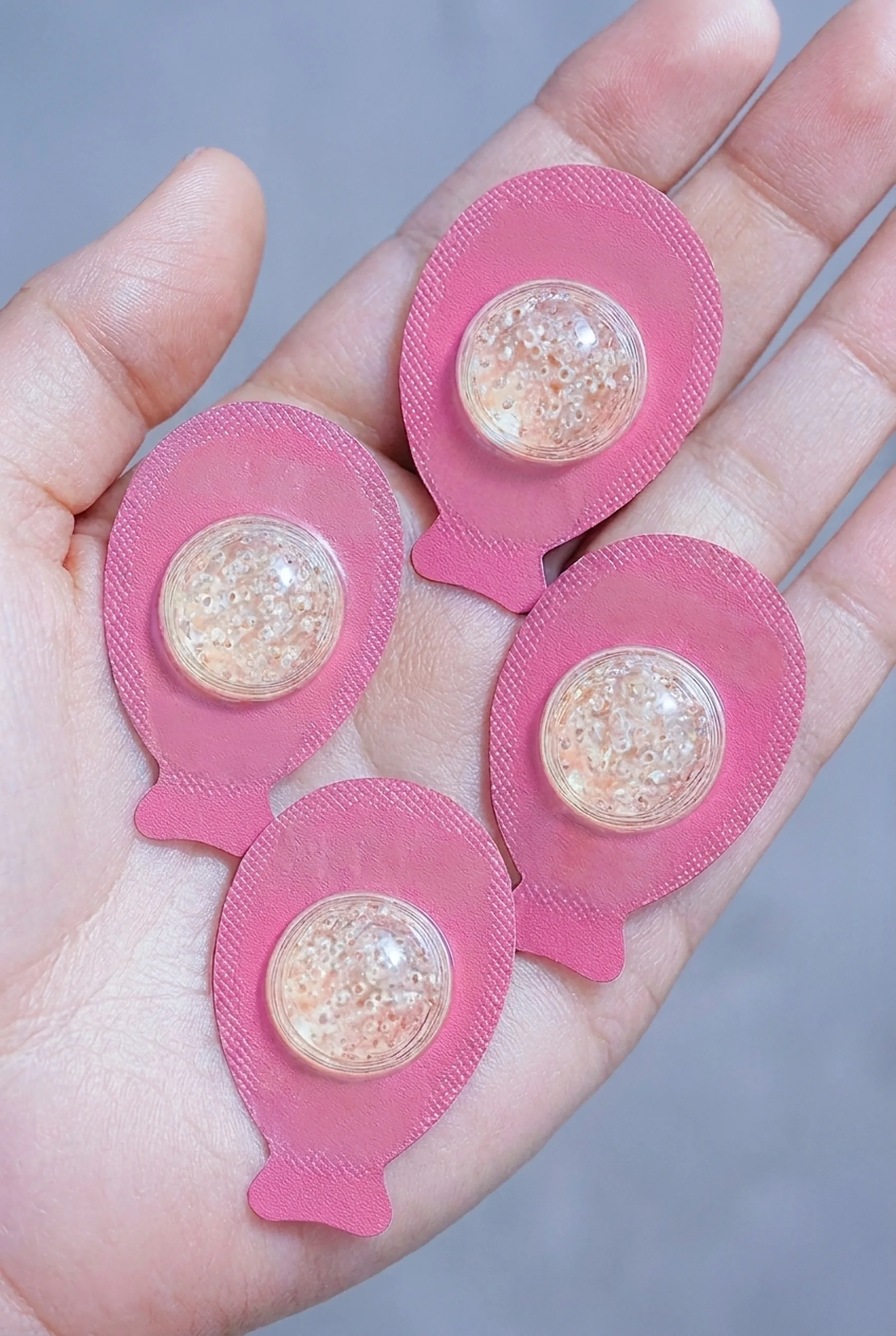
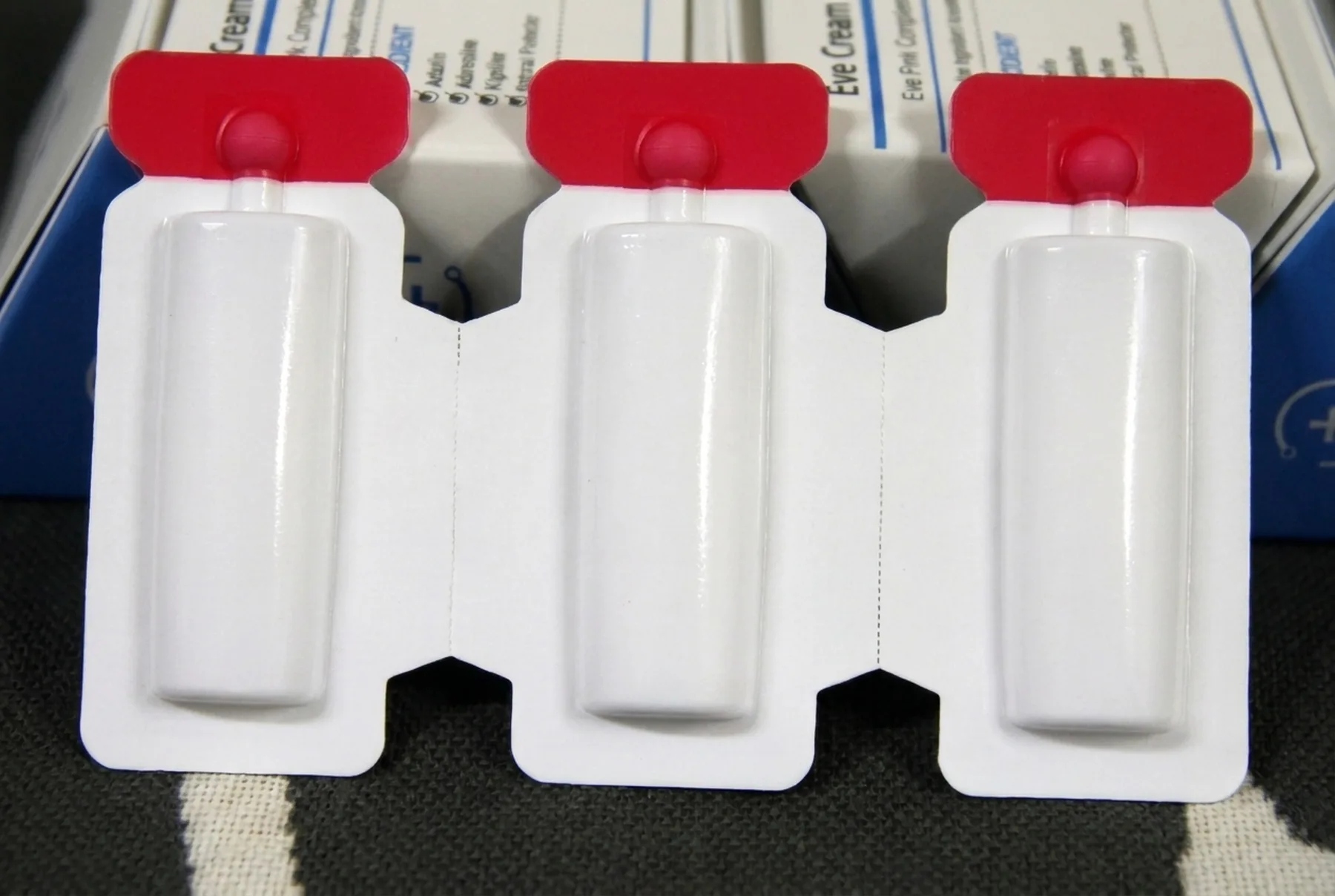
A single dose is sealed inside a rigid card. It is opened by folding it between three fingers and empties completely — no scissors, no tearing, no product left inside. Suitable for cosmetics, food supplements and food products.

SNAPPAX3000 MG
DAILY
ENERGY
CaffeineTaurineB12Magnesium
Single dose3 ml
Tear line · fold here
Per dose3 ml
Caffeine200 mg
Taurine1,000 mg
Magnesium75 mg
Vitamin B122.5 mcg
Lot 24·118No water needed
SNAPPAX3000 MG
DAILY
ENERGY
CaffeineTaurineB12Magnesium
Single dose3 ml
Tear line · fold here
Per dose3 ml
Caffeine200 mg
Taurine1,000 mg
Magnesium75 mg
Vitamin B122.5 mcg
Lot 24·118No water needed
01

The card

Thin, flat, rigid. Sealed thin at the edge, filled through the middle.

02

The perforation

A dotted line weakens the card exactly where it has to open.

03

The snap

Three fingers fold it. The line gives way without a sharp edge.

04

The dose

One opening, one dose, filled to ±1% and emptied completely.

How it works

One-hand opening, in three steps.

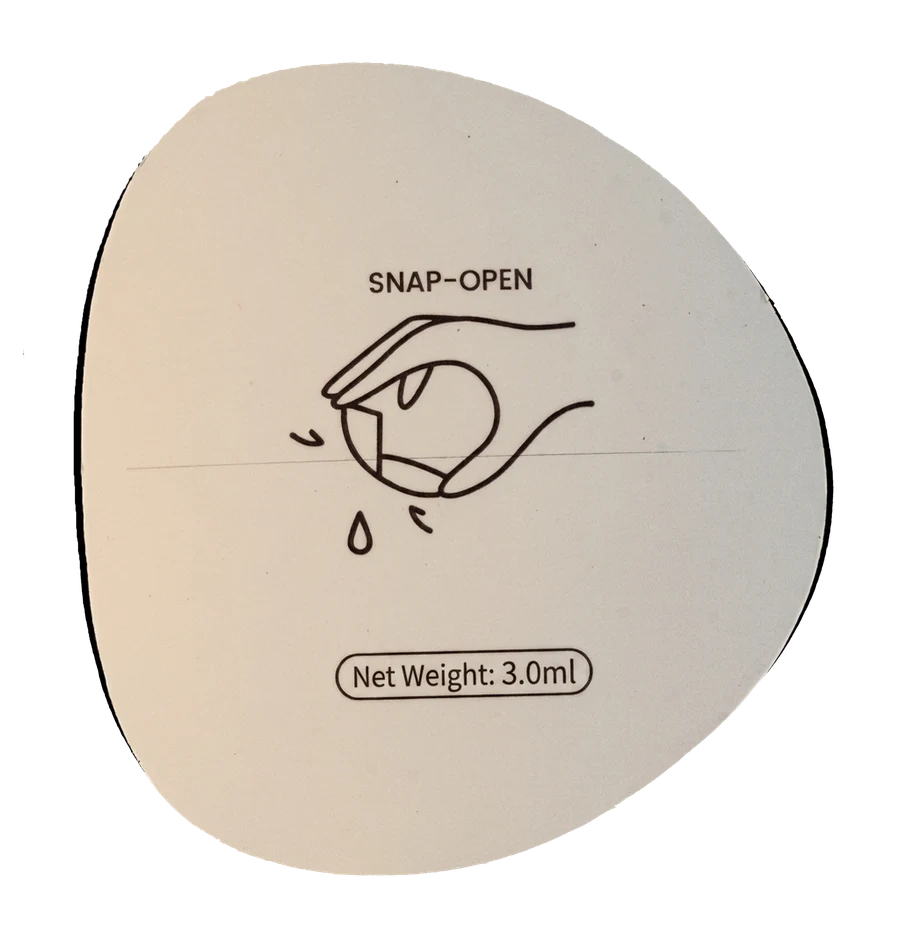
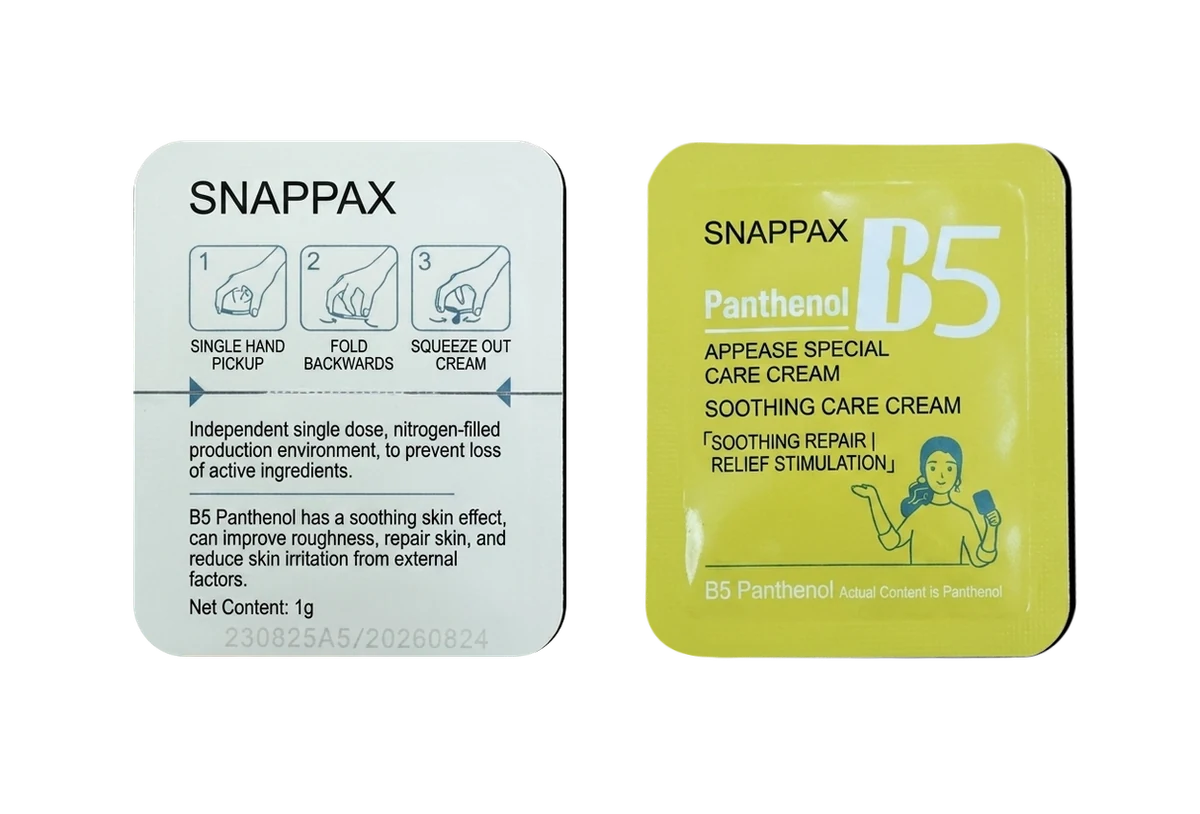
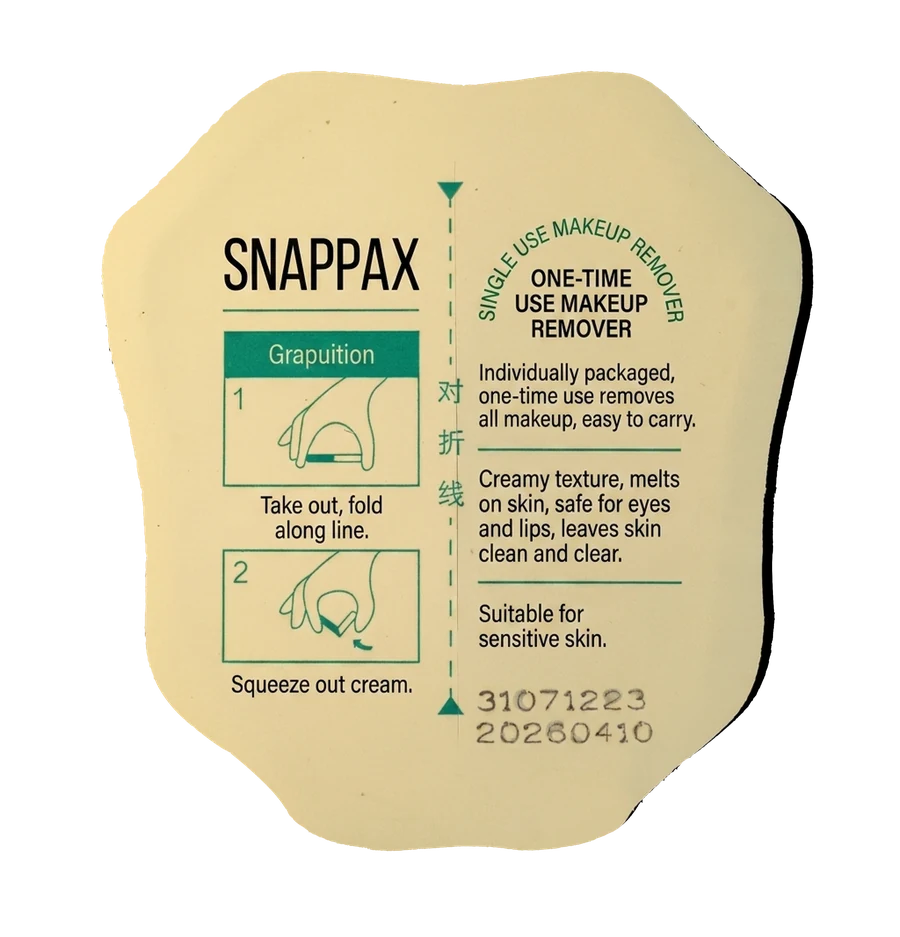
A row of micro-perforations weakens the card at the point where it is intended to open. When the card is folded the line breaks, and the product is dispensed through a single opening at the rate of thumb pressure.

01

Take

Thin, flat, rigid. It travels in a pocket, a carton or between the pages of a magazine without creasing the print.

02

Fold

Half a second, three fingers. The micro-perforation gives way without a sharp edge — no scissors, no tearing, no fingernails.

03

Squeeze

The rigid face pushes the product to the opening. The dose reaches skin instead of staying in a corner.

Product advantages

Six advantages of single-dose card packaging.

A card carries one dose and dispenses it completely.

  • One-hand opening

    Folded open between three fingers; no scissors, no tearing, no fingernail. The motion is the same with gloves on or in a vehicle.

  • Leak- and pressure-resistant

    The rigid card carries the dose in a pocket, a bag or a carton. The sealed edge holds its integrity under pressure.

  • Complete evacuation

    The rigid body directs the product to the opening; no dose stays in the corners. The user receives the full dose.

  • Single use, no contamination

    The product meets air and hands only at the moment of use. No container left open, no carry-over between uses.

  • Dose repeatability

    Filling accuracy is ±0.1 ml. The dose holds across the batch and can therefore be declared on the pack.

  • Lower transport volume

    The thin, flat structure fits more doses into the same carton than bottle or thermoformed alternatives.

Pack formats

Pack formats produced on the same line.

Seven formats are produced on the same line. Viscosity, dose volume and shelf presentation determine which format is selected. The cutting die and the film print are produced specifically for your brand.

01 · Most requested

A blank cream card sachet with a single embossed dome holding serum

Snap Pack — single chamber

Serum, cream, gel, lotion, cleanser. The film is heat-formed, so the pack stands proud rather than flat and holds its own on a shelf. Micro-perforation, spoon cut and hang-hole are optional stations.

Fill
0.5 – 3 ml
Accuracy
±0.1 ml
Film
PET+PE

02 · Active protection

A blank card sachet with two separate embossed chambers side by side

Snap Pack — A&B dual chamber

Two formulas, one card, no contact until use. Actives that oxidise or attack each other — vitamin C, enzymes, peroxide — meet for the first time in the palm. Liquid+liquid, liquid+powder, oil+water.

Chambers
2 separate
Mixing
At point of use
Powder fill
Supported

03

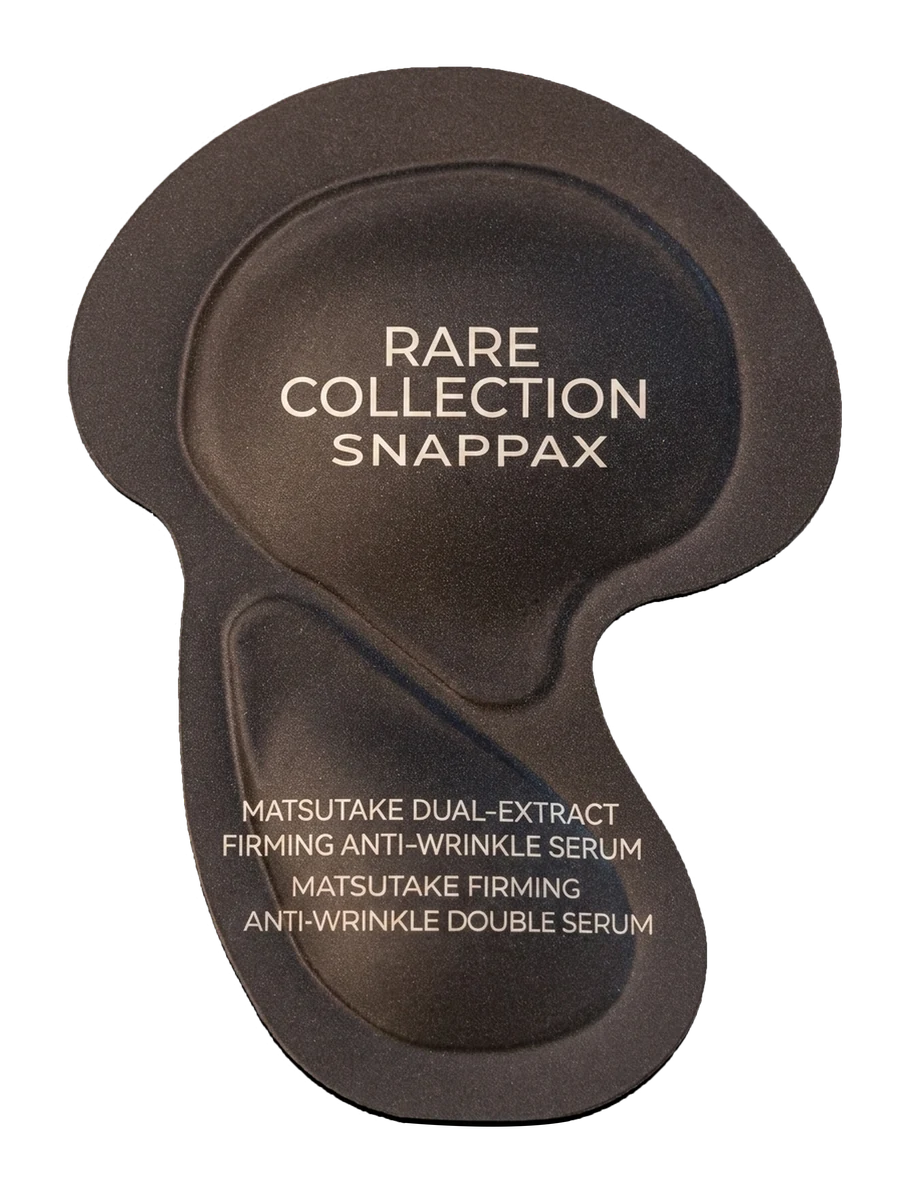
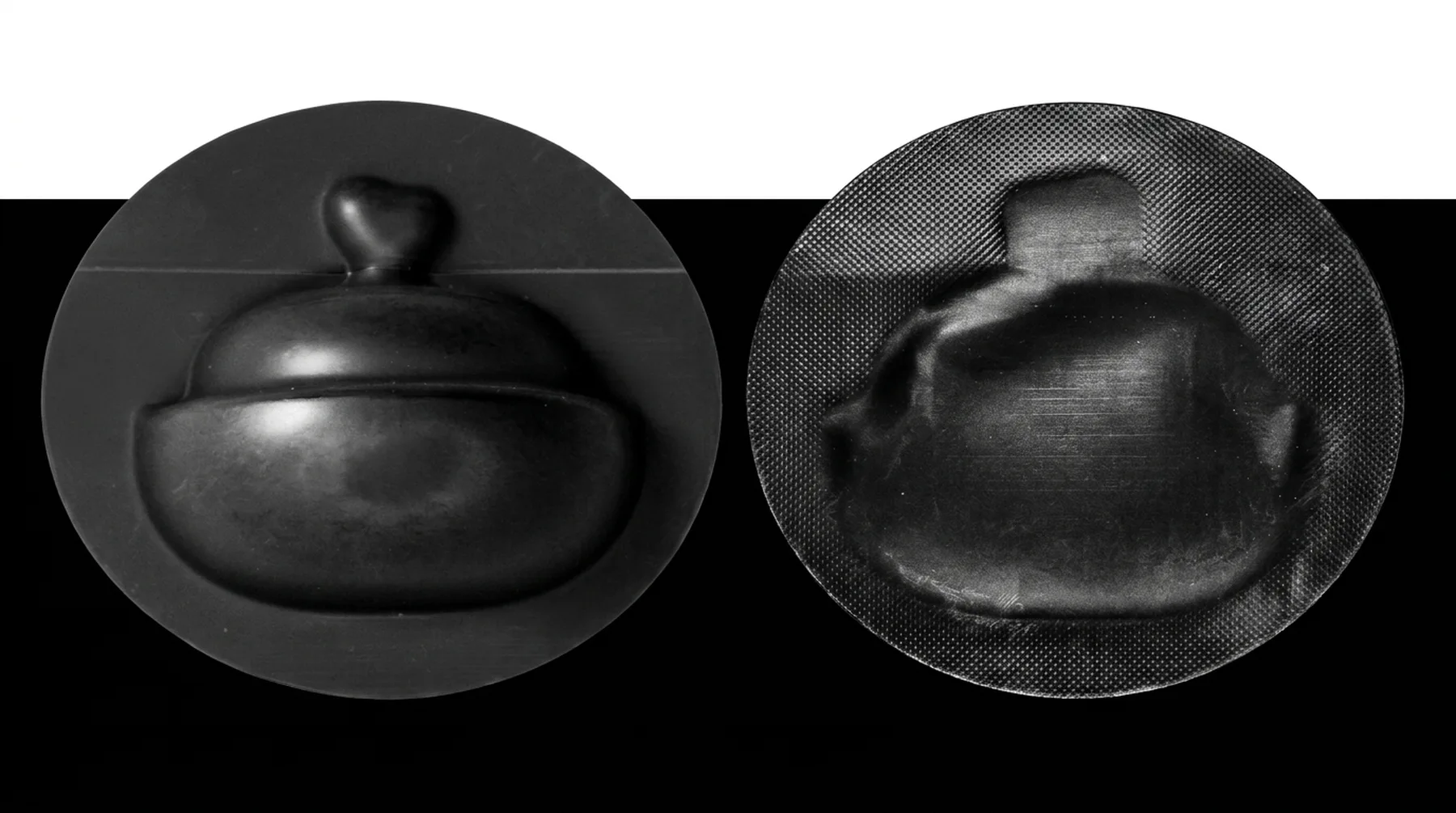
A charcoal two-lobe blister pack on a silver foil backing

Double-aligned blister

Bottom and top film register to each other in the centre. Italian machines hold ±3 mm here. This line holds ±0.5 mm — the logo lands where it was drawn.

Registration
±0.5 mm
Cut
< ±1 mm
Scrap
< 2%

04

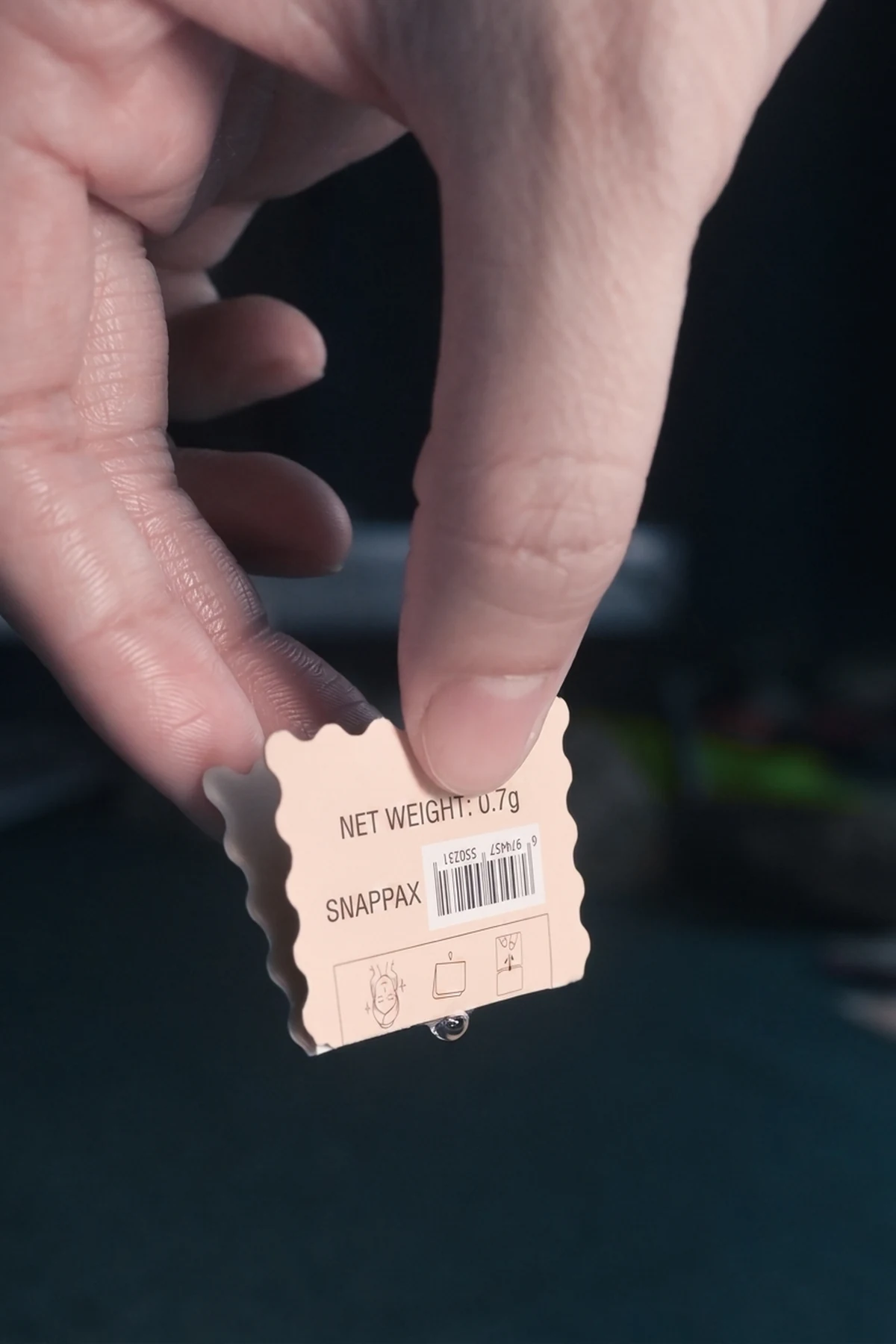
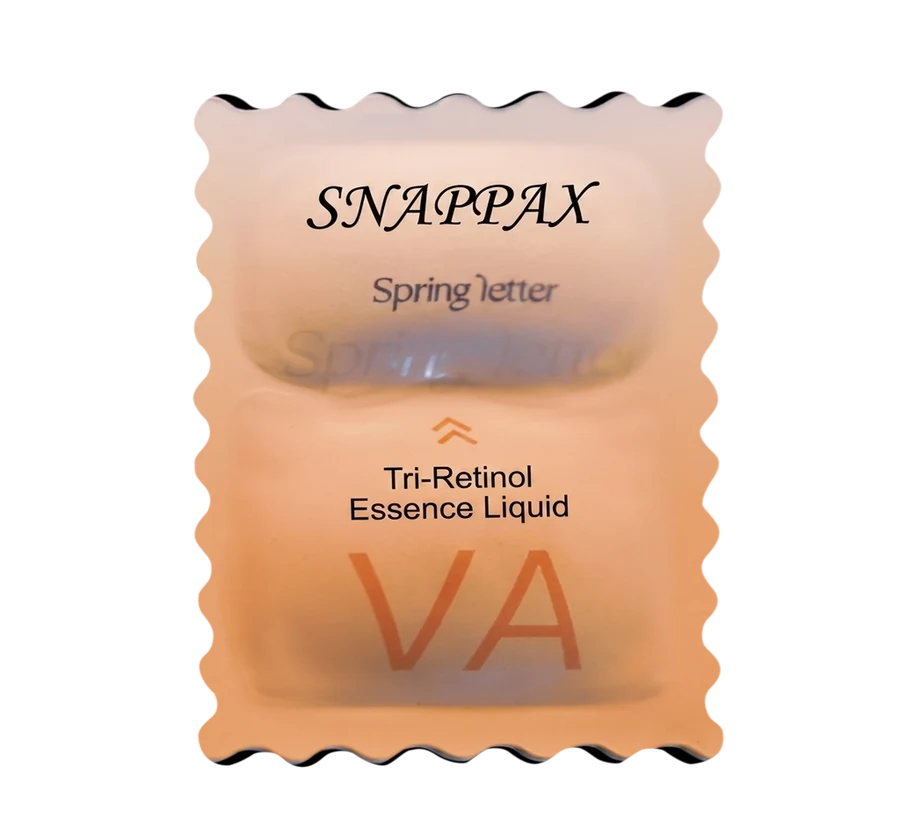
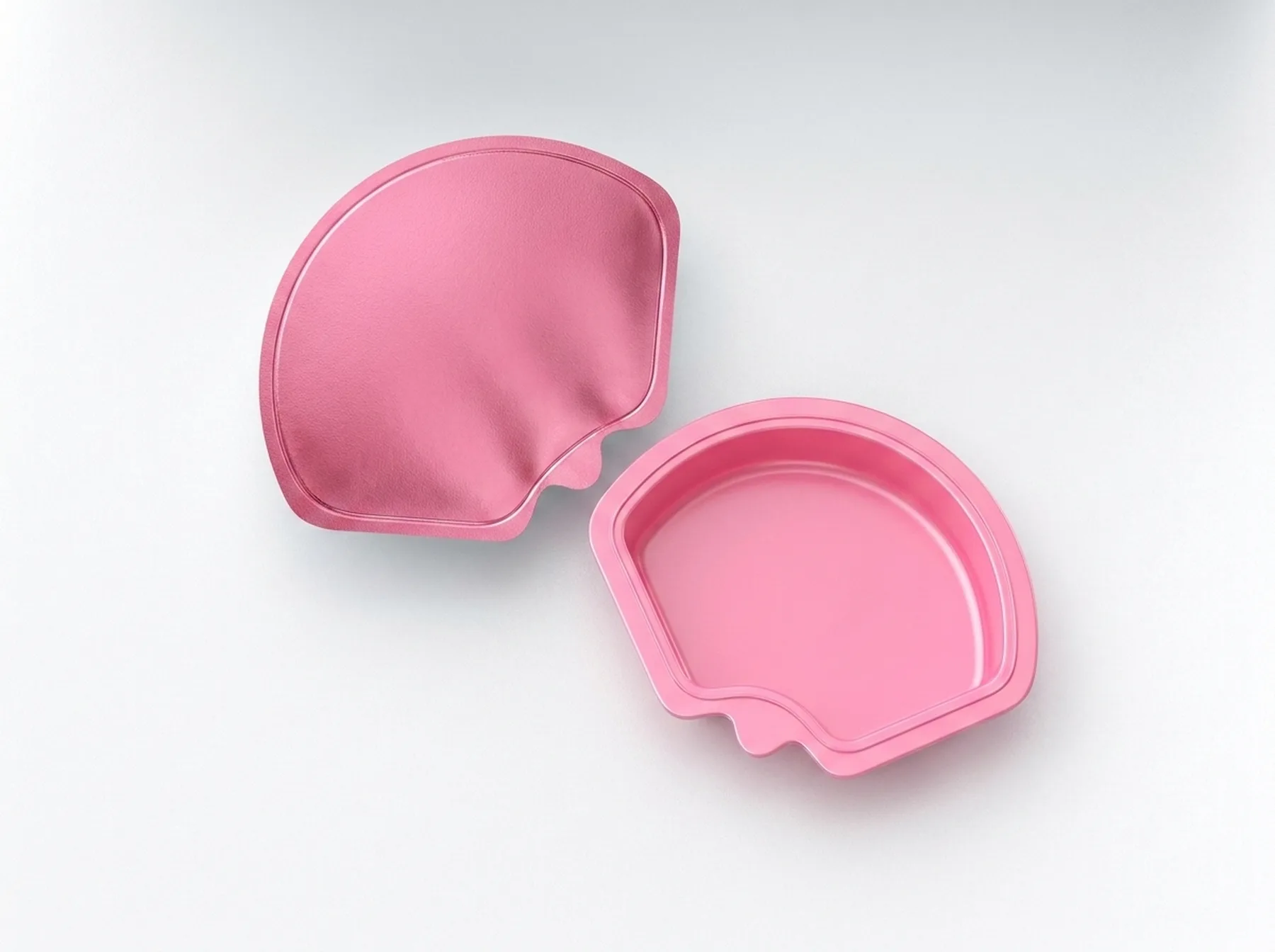
A blush single-dose card sachet with a scalloped edge and a hang-hole

Custom die-cut forms

A card need not be a rectangle. Scalloped edge, rounded corner, hang-hole, droplet, the outline of a logo — the die is cut to your drawing.

Cut
Brand-specific
Hang-hole
Optional
Die life
Millions of cuts

05

An amber single-dose card sachet filled with honey with a zigzag spout notch

Food and supplement

Honey, sauce, jam, liquid supplements. The vertical line fills to 10 g and cuts a zigzag spout, so viscous product leaves from one point instead of spreading. Filled without bubbles, so the dose is honest.

Fill
up to 10 g
Cut
Zigzag spout
Filling
Bubble-free

06

A pearl-white polypropylene tray sealed with silver foil holding a hydrogel patch

Hydrogel mask and PP cup

Single, double or triple-colour filling for eye and lip masks, ±0.1 g, on a −25 °C chilled line. On the food side, a polypropylene cup that survives steam and boiling.

Mask dosing
±0.1 g
Colours
1 / 2 / 3
PP tool bed
350 × 240 mm

07 · Custom production

Production to your own design.

Send us your artwork and the form you require. The cutting die is produced from your drawing and the film is printed to your design, so the pack leaving the line looks like your own product rather than a standard sachet with a label applied. The standard forms cover most products; where they do not, a new die is cut to your drawing and you see the result before any commitment is made.

  • Cutting die produced from your own drawing
  • Film printing in up to eight colours
  • Dose, form and surface finish defined by your brief

Request a sample

Unprinted single-dose card packs of different forms, arranged side by side

Applications

Applications in cosmetics and food.

Any product that pours, spreads or drips at a single-use volume can be packed in a card. The two categories below account for the majority of production on this line.

01 · Cosmetics and personal care

Gold-finished formed single-dose card pack for skincare

Single-dose application in cosmetics.

One card corresponds to one application. The user applies the correct amount at first use, so the product is judged on its formulation rather than on an estimated dose. The same pack can be used as an in-box sample, a magazine insert, a hotel amenity, or a travel size that is not subject to the 100 ml rule.

  • Air-sensitive formulations — vitamin C, retinol, peptides — remain sealed until the moment of use.
  • Hand contact with an open jar and prolonged exposure in a partly used pack are eliminated.
  • Sunscreen, hair care and mask doses remain consistent throughout the batch.
  • serum
  • eye cream
  • moisturiser
  • sunscreen
  • conditioner
  • hair mask
  • cleanser
  • peeling
  • face mask
  • hand cream
  • body lotion
  • hand sanitiser
  • mouthwash
  • hotel amenity

02 · Food, beverage and supplements

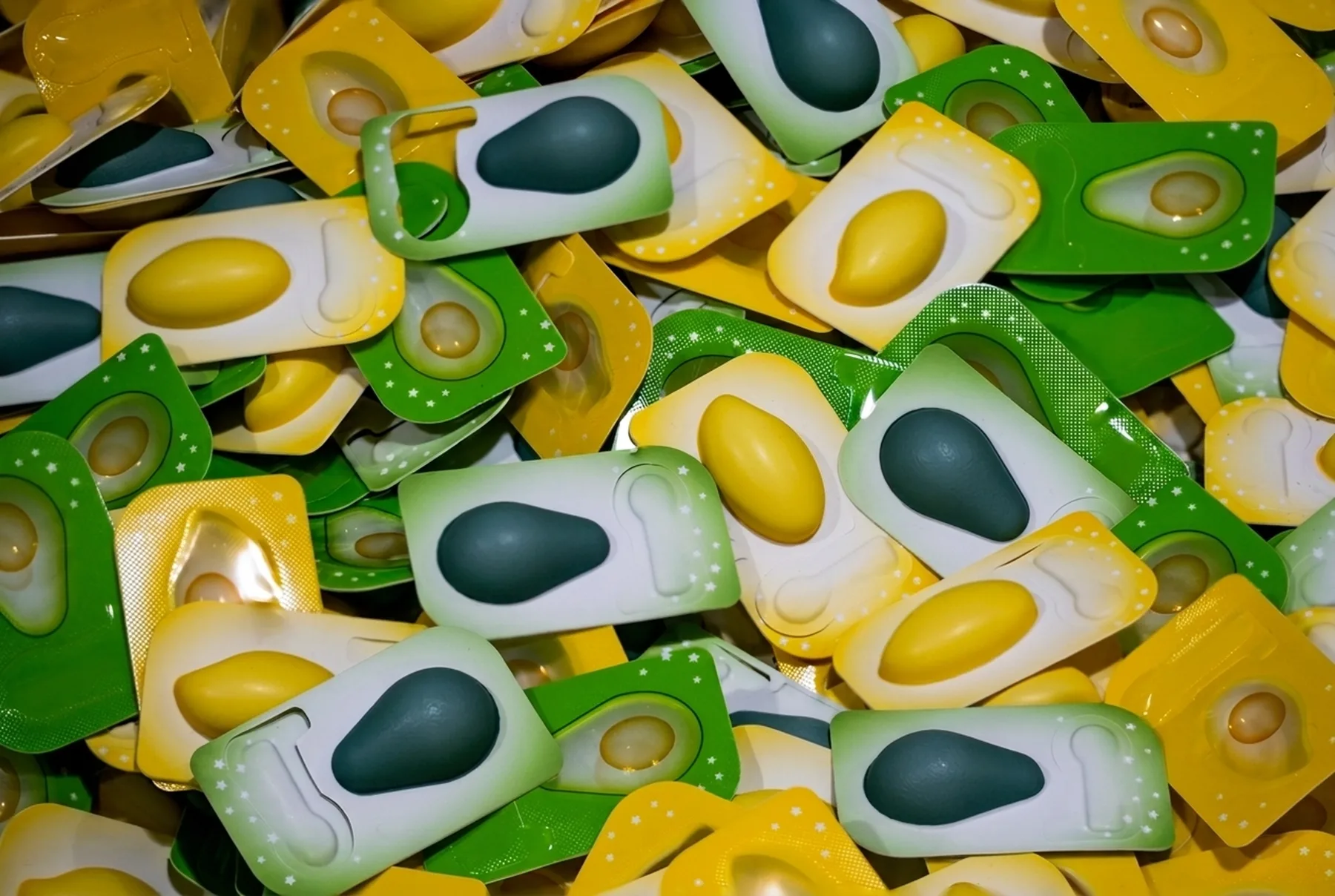
A pile of formed single-dose packs straight off the line

Portion control in food and beverage.

Sauces, honey, oil, syrup and concentrates are dispensed from the card in a controlled manner. The pack is opened with one hand at a table, in a vehicle or on the move, and it empties completely, so the portion served equals the portion costed.

  • Concentrates can be added to 200–300 ml of water or consumed directly from the pack.
  • In catering and HORECA the presentation standard is maintained and the table surface is not soiled.
  • Energy gels and shot products can be opened with one hand while in motion.
  • ketchup
  • mayonnaise
  • salad dressing
  • soy sauce
  • mustard
  • honey
  • jam
  • olive oil
  • balsamic vinegar
  • syrup
  • coffee concentrate
  • energy gel
  • liquid supplement
  • vitamin shot

Blister packs · the line


Blister packaging on the same line.

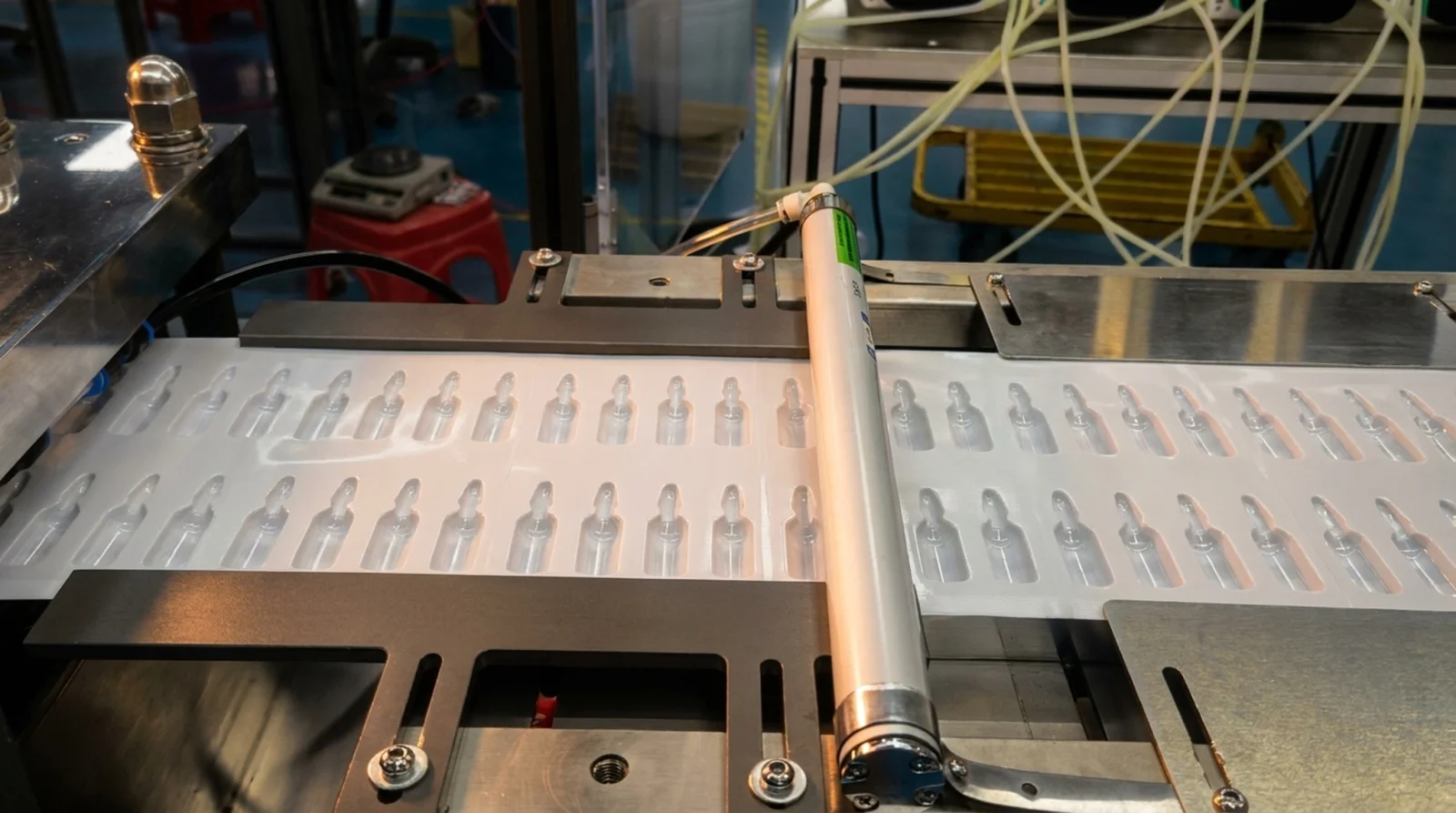
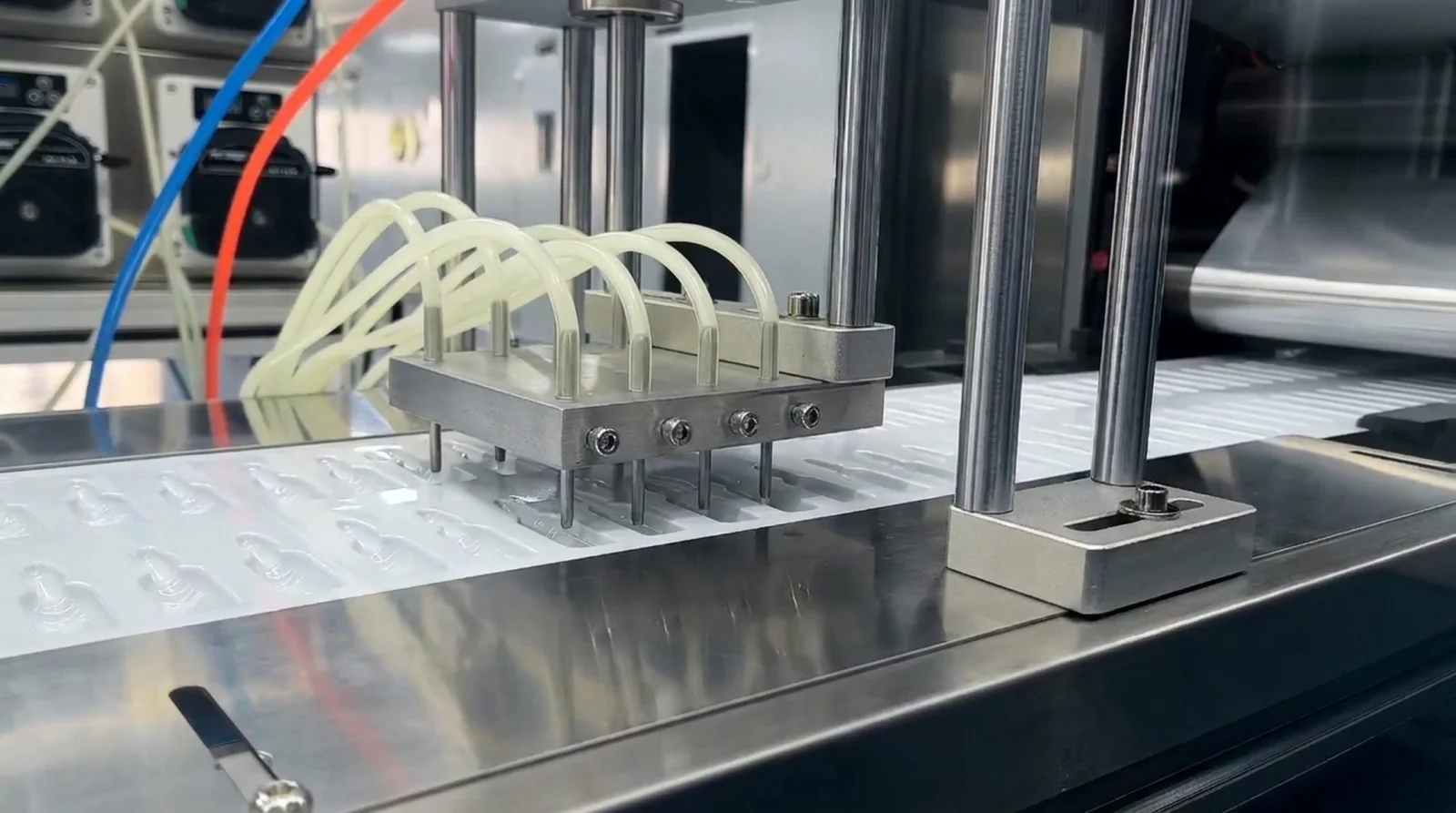
Where the card format does not provide sufficient volume for the product, the film is drawn into a cavity instead; forming, filling and sealing are completed in the same cycle. The line combines card and blister production under a single investment.

Formed film leaving the forming station
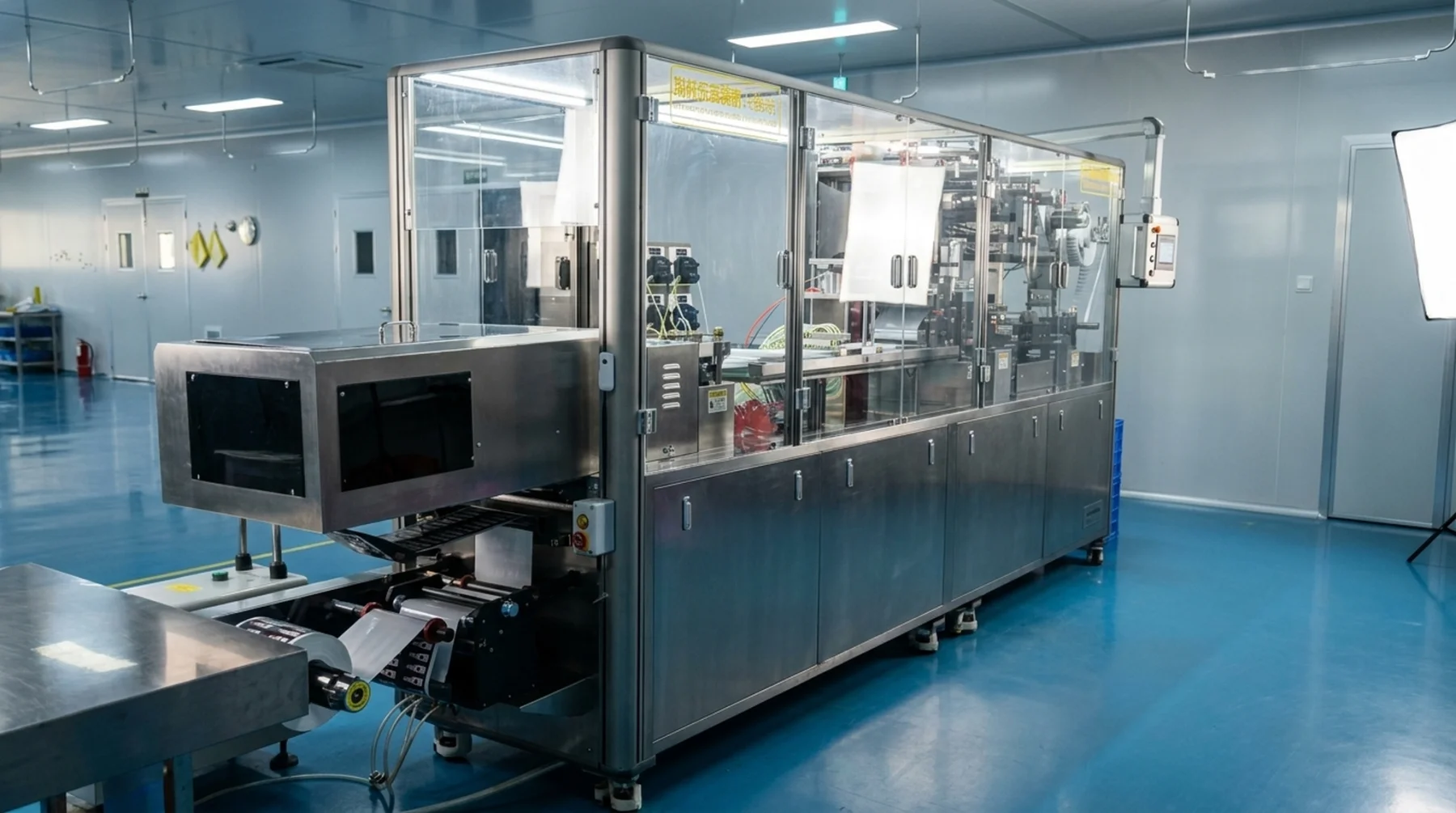
The full packaging line seen along its length in the production hall
The line, end to end
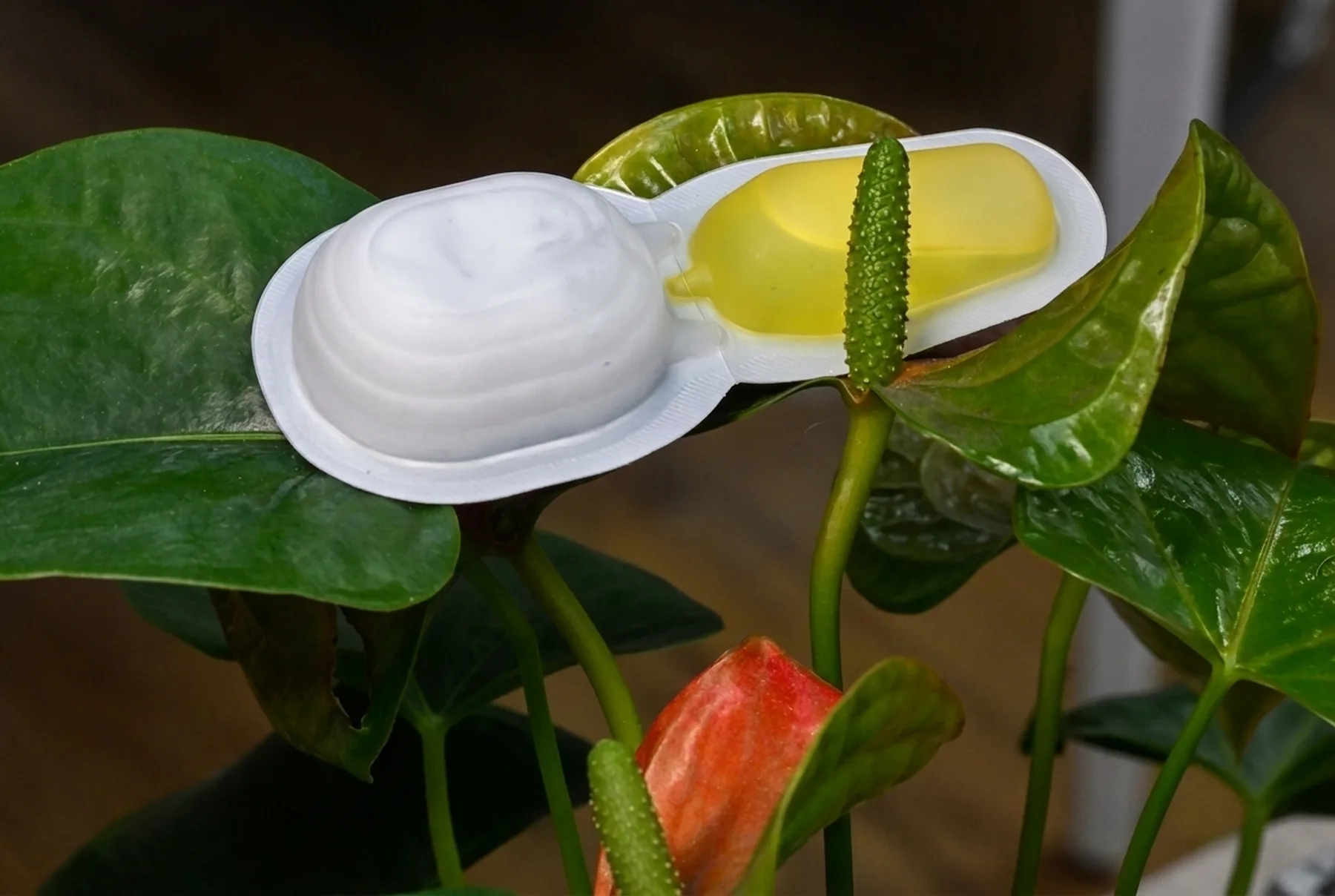
An unprinted two-chamber blister pack photographed against green foliage
Two-chamber pocket, one seal
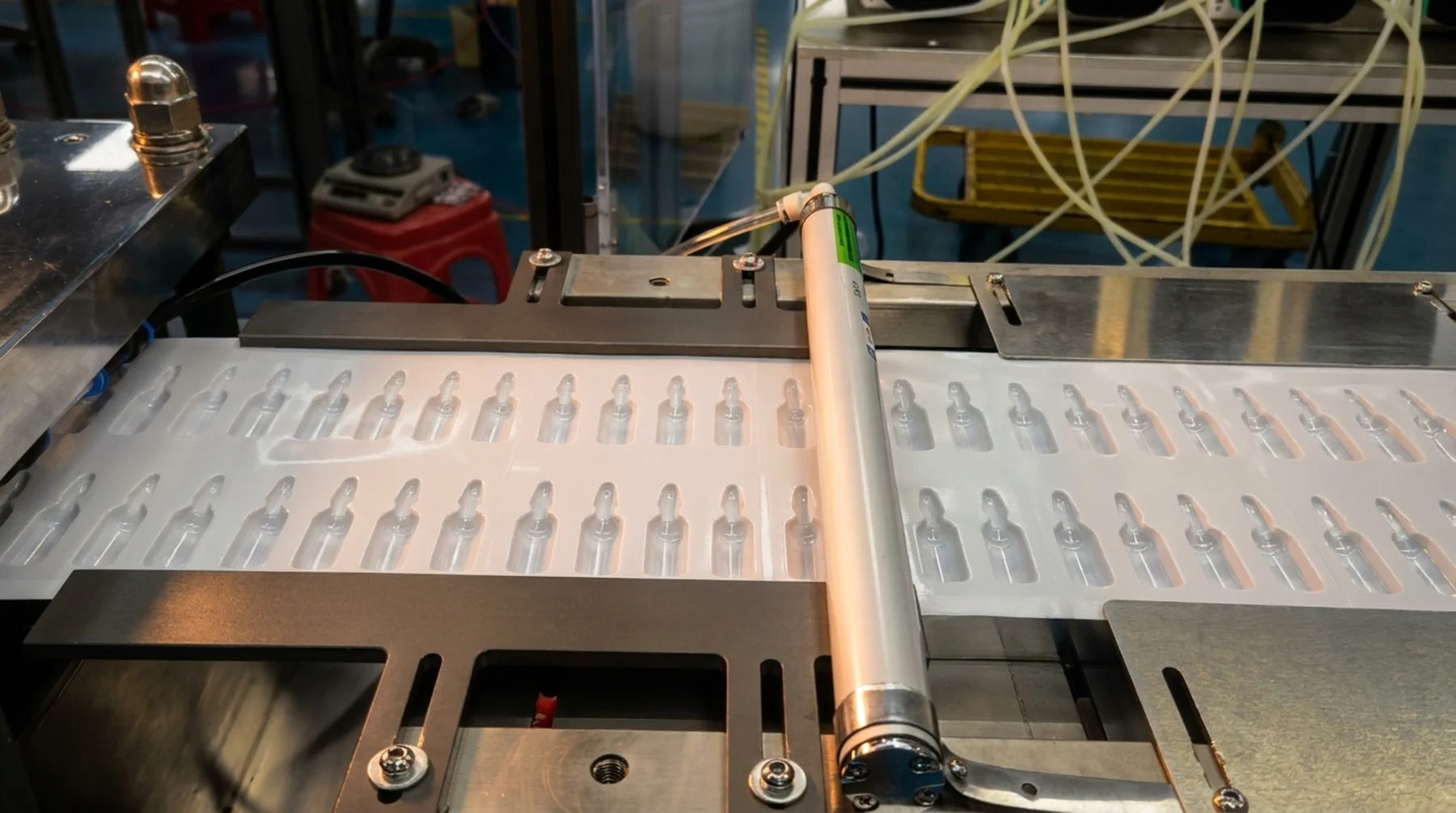
A web of formed film cavities passing under the sealing roller
Formed film under the sealing roller
Three unprinted blister packs held in an open hand
Pocket in the palm
Stainless dosing nozzles above a web of open film cavities
Dosing head over the cavities
A strip of three unprinted blister packs, each holding a single dose
Strip of three, one dose each
Sealing and cutting
The forming tool descending onto the film web on the line
Forming tool on the web
A pile of shaped blister packs in two colours coming off the line
Shaped die, any outline
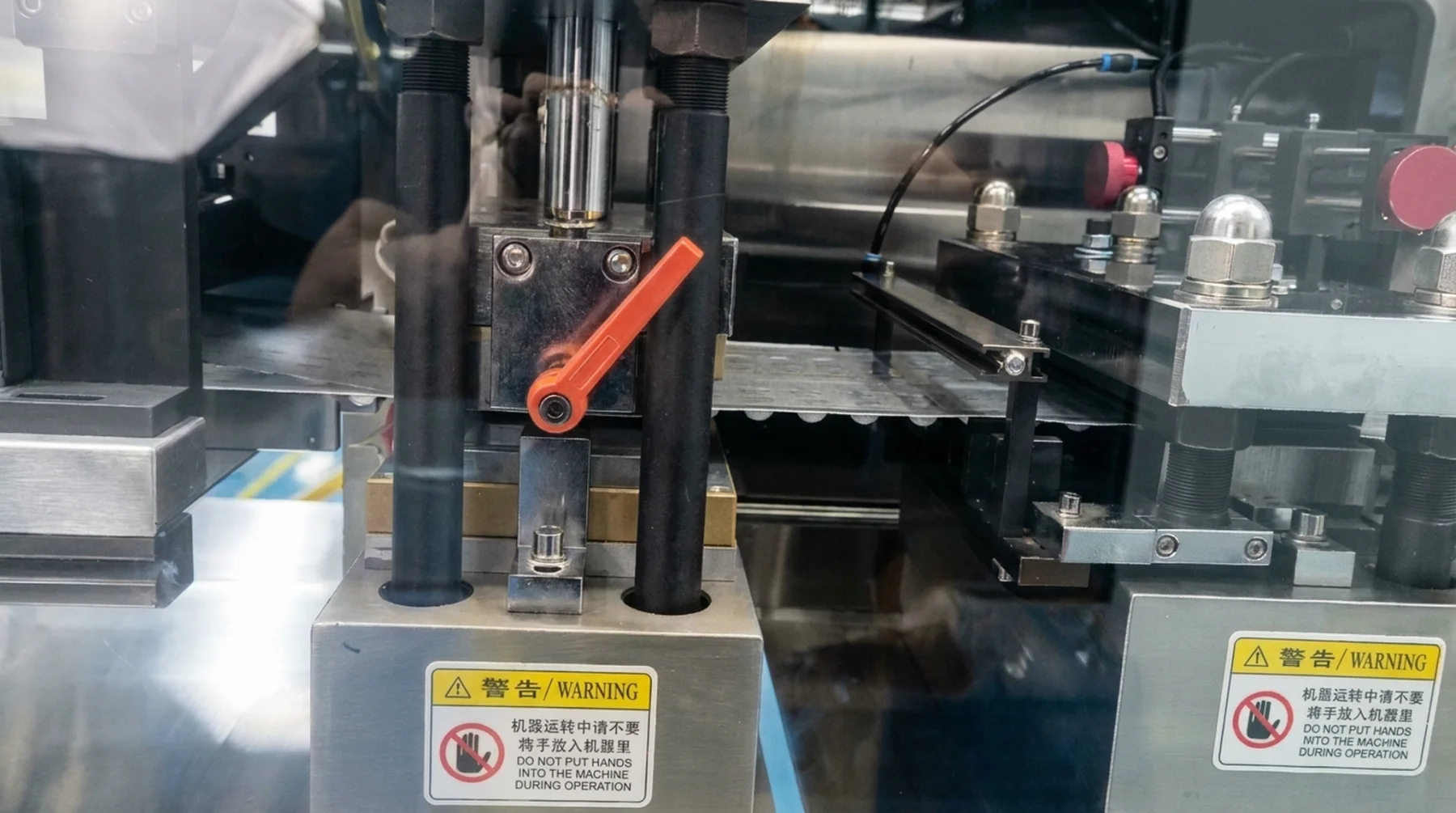
The cutting station of the packaging line with its die and guides
Cutting station
A round unprinted blister pack opened along its hinge
Round die, hinged opening
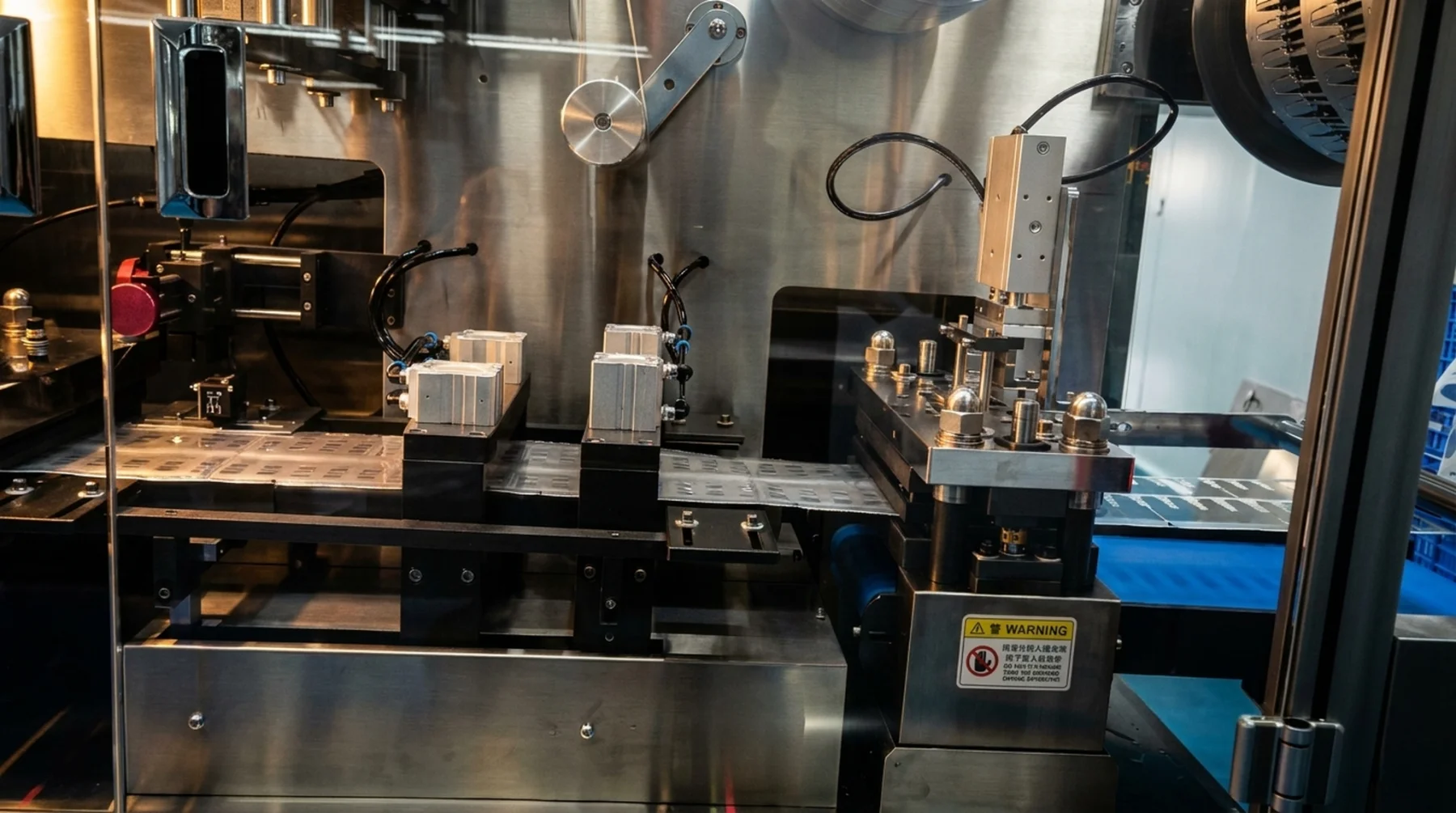
The sealing and registration station of the packaging line
Sealing and registration
A deep-drawn round blister pack next to its sealed lid
Deep draw for semi-solid fills
Formed film leaving the forming station
The full packaging line seen along its length in the production hall
The line, end to end
An unprinted two-chamber blister pack photographed against green foliage
Two-chamber pocket, one seal
A web of formed film cavities passing under the sealing roller
Formed film under the sealing roller
Three unprinted blister packs held in an open hand
Pocket in the palm
Stainless dosing nozzles above a web of open film cavities
Dosing head over the cavities
A strip of three unprinted blister packs, each holding a single dose
Strip of three, one dose each
Sealing and cutting
The forming tool descending onto the film web on the line
Forming tool on the web
A pile of shaped blister packs in two colours coming off the line
Shaped die, any outline
The cutting station of the packaging line with its die and guides
Cutting station
A round unprinted blister pack opened along its hinge
Round die, hinged opening
The sealing and registration station of the packaging line
Sealing and registration
A deep-drawn round blister pack next to its sealed lid
Deep draw for semi-solid fills
Formed film leaving the forming station
The full packaging line seen along its length in the production hall
The line, end to end
An unprinted two-chamber blister pack photographed against green foliage
Two-chamber pocket, one seal
A web of formed film cavities passing under the sealing roller
Formed film under the sealing roller
Three unprinted blister packs held in an open hand
Pocket in the palm
Stainless dosing nozzles above a web of open film cavities
Dosing head over the cavities
A strip of three unprinted blister packs, each holding a single dose
Strip of three, one dose each
Sealing and cutting
The forming tool descending onto the film web on the line
Forming tool on the web
A pile of shaped blister packs in two colours coming off the line
Shaped die, any outline
The cutting station of the packaging line with its die and guides
Cutting station
A round unprinted blister pack opened along its hinge
Round die, hinged opening
The sealing and registration station of the packaging line
Sealing and registration
A deep-drawn round blister pack next to its sealed lid
Deep draw for semi-solid fills
Formed film leaving the forming station
The full packaging line seen along its length in the production hall
The line, end to end
An unprinted two-chamber blister pack photographed against green foliage
Two-chamber pocket, one seal
A web of formed film cavities passing under the sealing roller
Formed film under the sealing roller
Three unprinted blister packs held in an open hand
Pocket in the palm
Stainless dosing nozzles above a web of open film cavities
Dosing head over the cavities
A strip of three unprinted blister packs, each holding a single dose
Strip of three, one dose each
Sealing and cutting
The forming tool descending onto the film web on the line
Forming tool on the web
A pile of shaped blister packs in two colours coming off the line
Shaped die, any outline
The cutting station of the packaging line with its die and guides
Cutting station
A round unprinted blister pack opened along its hinge
Round die, hinged opening
The sealing and registration station of the packaging line
Sealing and registration
A deep-drawn round blister pack next to its sealed lid
Deep draw for semi-solid fills

Comparison

The standard sachet and
the card pack: a technical comparison.

The same product, in two different single-dose packs.
CriterionConventional sachetSnappax card
OpeningA tear notch that will not start with wet hands or short nailsFolded between three fingers; no tool needed
EvacuationProduct stays in the corners; the user keeps squeezingThe rigid face pushes product to the opening — nothing is left behind
Dose controlAn uncontrolled mouth width; the product spurtsOne opening, a dose filled to ±0.1 ml
Shelf presenceSoft, creases, will not stand on a displayRigid card; embossed form, hang-hole, upright display
PrintCreasing destroys the artwork±0.5 mm registration across bottom and top film
Two formulasNeeds two separate sachetsA&B chambers in one card; mixed at point of use
HygieneThe torn edge is sharp and unevenMicro-perforation breaks clean and never cuts the hand
  • Cosmetics & personal care
  • Dietary supplements
  • Honey, sauce, jam
  • Hotel amenities
  • Sampling & promotion
  • Pet care
  • Cleaning & sanitiser
  • E-commerce gifting

Production

Forming, filling, sealing and cutting on a single line.

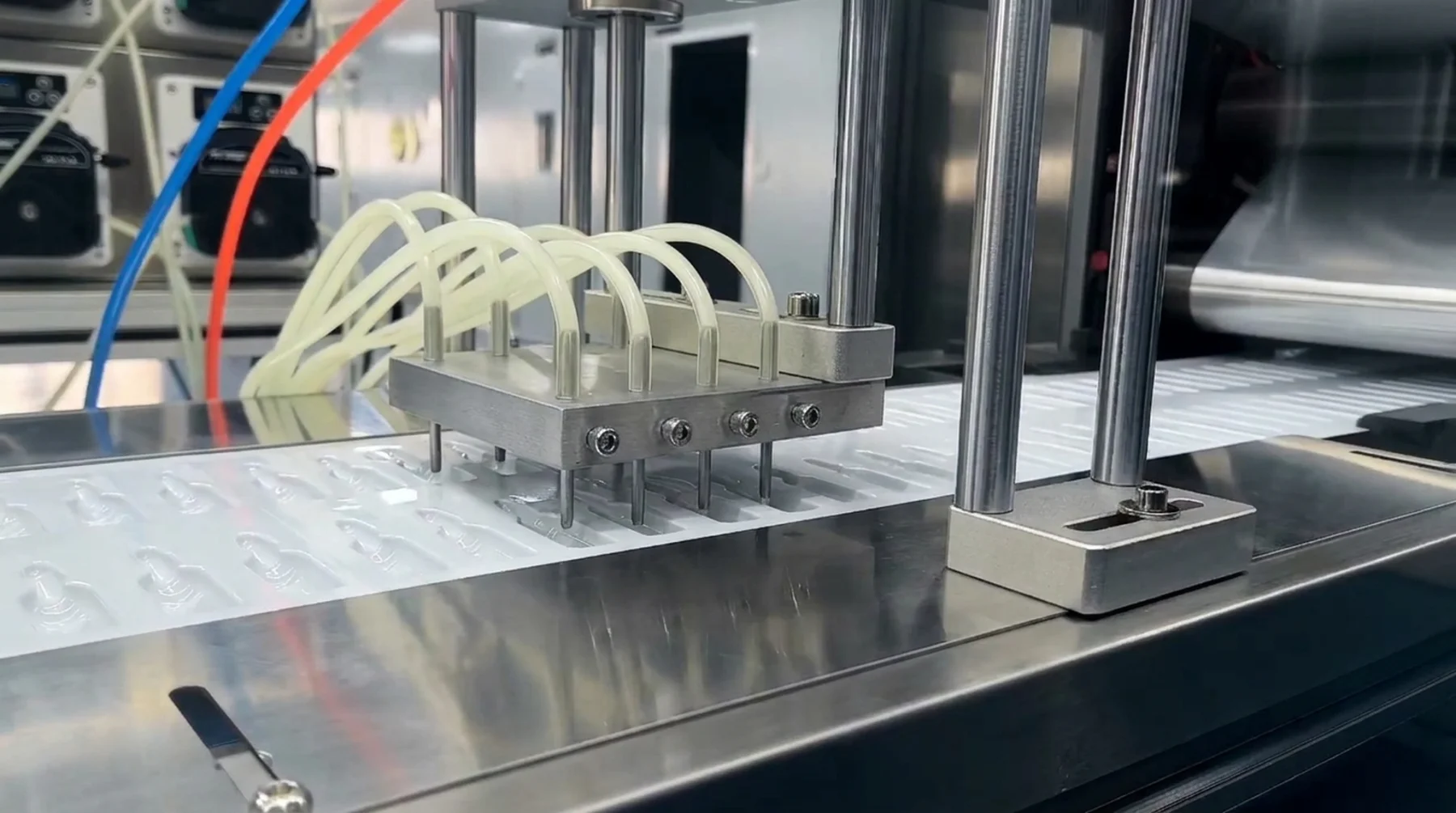
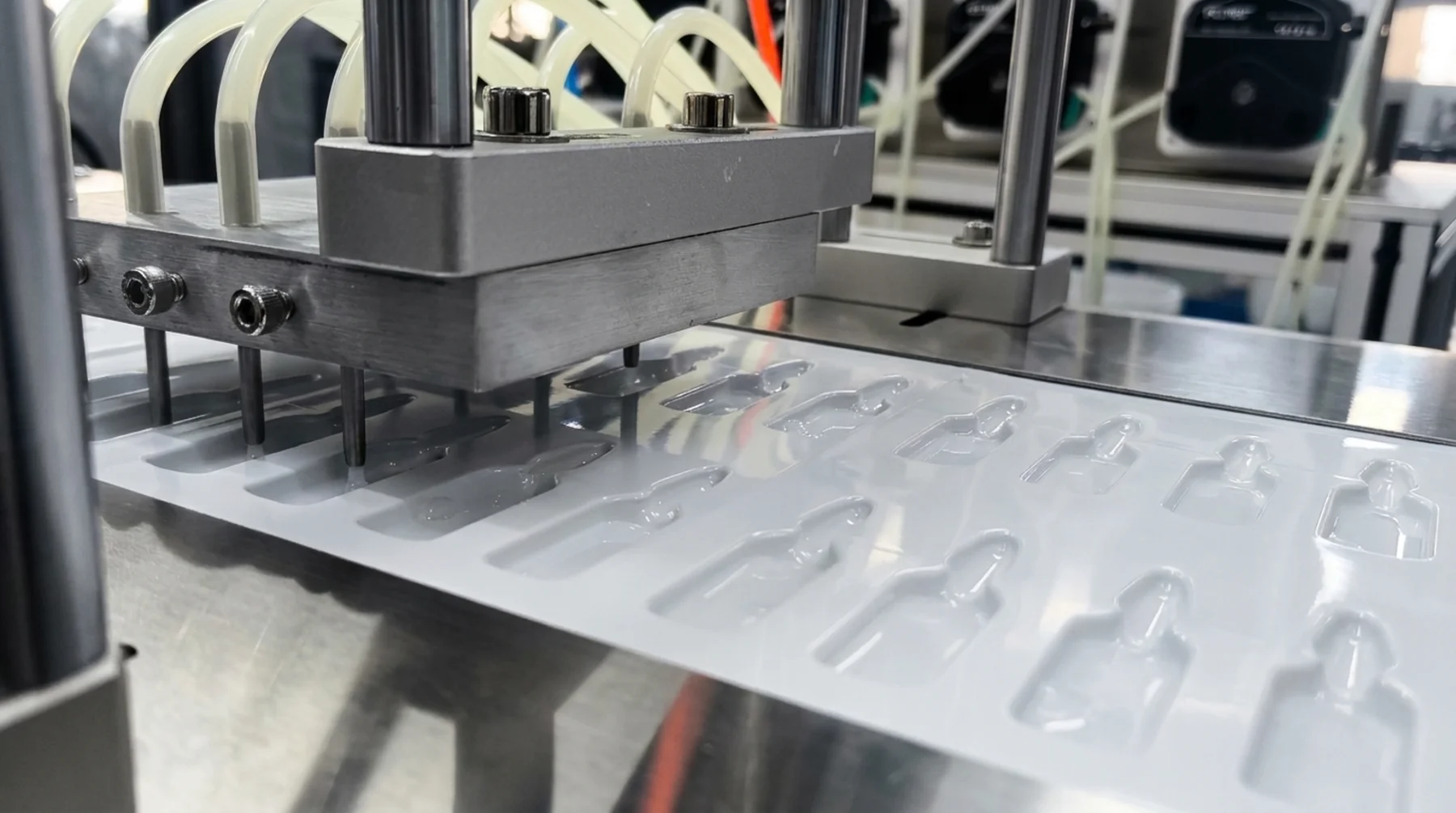
Film goes in on a reel and the card comes out packed. Forming, dosing, heat sealing, perforation and cutting all finish in the same cycle — no intermediate stock, no manual transfer, no cross-contamination risk.

±0.1 mlDosing accuracy
25/minPeak cycle rate
< 2%Scrap rate
DC53Cutting die steel

Specifications

Line capacities and technical values.

LineFillAccuracyTool bedFilmCycle
Snap packup to 10 g±0.1 ml260 × 140 mmPET/PE · PAL/AL/PET/PE25 /min
Double-aligned blister0.5 – 8 ml±0.1 ml260 × 140 mmPET22 – 25 /min
Hydrogel maskBy weight±0.1 g260 × 220 mmPVC / PET / HIPS / PLA20 /min
PP cup (food)Per tool±0.1 ml350 × 240 mmPP / PVC / PET / HIPS / PLA18 – 22 /min

The tool bed is not the size of one card but the area of film worked in a single stroke; how many cards fit inside it depends on the form and determines hourly capacity. Print registration is ±0.5 mm and the cutting tolerance is under ±1 mm. Optional stations: skin-safe micro-perforation, spoon cut, easy-snap line and a hang-hole.

Process

Five steps from brief to shipment.

  1. 01

    Brief

    Viscosity, dose, target shelf life, volume. Your formula, or one developed here.

  2. 02

    Sample

    A fill trial on existing tooling. You hold the pack and see the dose before the die is cut.

  3. 03

    Die & print

    The die is cut and the film printed. Bottom and top film print separately, then register to each other.

  4. 04

    Pilot run

    A short batch validates filling, sealing and cutting. Seal integrity and fill weight are measured, not assumed.

  5. 05

    Production

    Production on approved parameters, batch-tracked. Cartoning and labelling as required.

Information

Frequently asked questions.

Do you fill my own formula?

Either. We fill your finished product, or the formula is developed here first and filled.

What is the minimum order quantity?

It follows the format, the fill volume and the print reel length. Put your target volume in the form and the band comes back with the quote.

Is there a tooling cost, and who owns the die?

A brand-specific shape carries a one-off tooling cost; a standard form carries none. Dies are cut from DC53 and last millions of strokes, so the first order pays for it and later orders do not.

Can I print my own artwork on the pack?

Both films are printed for you. On the double-aligned line the two prints hold each other within ±0.5 mm, so the logo, the dose statement and the usage diagram land where you placed them.

Which products can be filled?

Serum, cream, gel, lotion, oil, cleanser, sanitiser, hydrogel essence, powder. On the food side honey, sauce and liquid supplements. Very high viscosity or particles get a fill trial first.

Can two formulas stay separate in one pack?

That is what A&B is for. Two chambers stay apart for the whole shelf life and meet when the card is folded — the usual answer for oxidation-sensitive actives.

What is the lead time?

Short, once the die and the print exist. On a first order the calendar is set by tooling and print preparation, and you get that calendar with the quote.

Is it suitable for export?

Destination labelling is planned at the print stage.

Contact

Sample and
quotation requests.

Send us the product and the target volume. The suitable format, the tooling status and a price are assessed and returned to you.

Produced in Türkiye

The form composes an email with your details. You see it before it sends.